
Storms are one of the biggest threats to trees in New York. High winds, heavy rain, and saturated soil can weaken even healthy trees, increasing the risk of broken branches, uprooted trees, and costly property damage. Fortunately, taking preventive measures before storm season begins can greatly reduce these risks. Proper tree maintenance helps protect your home while keeping your landscape healthy year-round.
Schedule a Professional Tree Inspection
The best way to prepare for storm season is with a professional tree inspection. Experienced tree care specialists can identify hidden structural problems that may not be visible to homeowners.
During an inspection, professionals check for:
- Dead or weak branches
- Cracks in the trunk
- Signs of disease
- Root damage
- Leaning trees
- Structural instability
Early detection allows problems to be corrected before severe weather arrives.
Remove Dead and Weak Branches
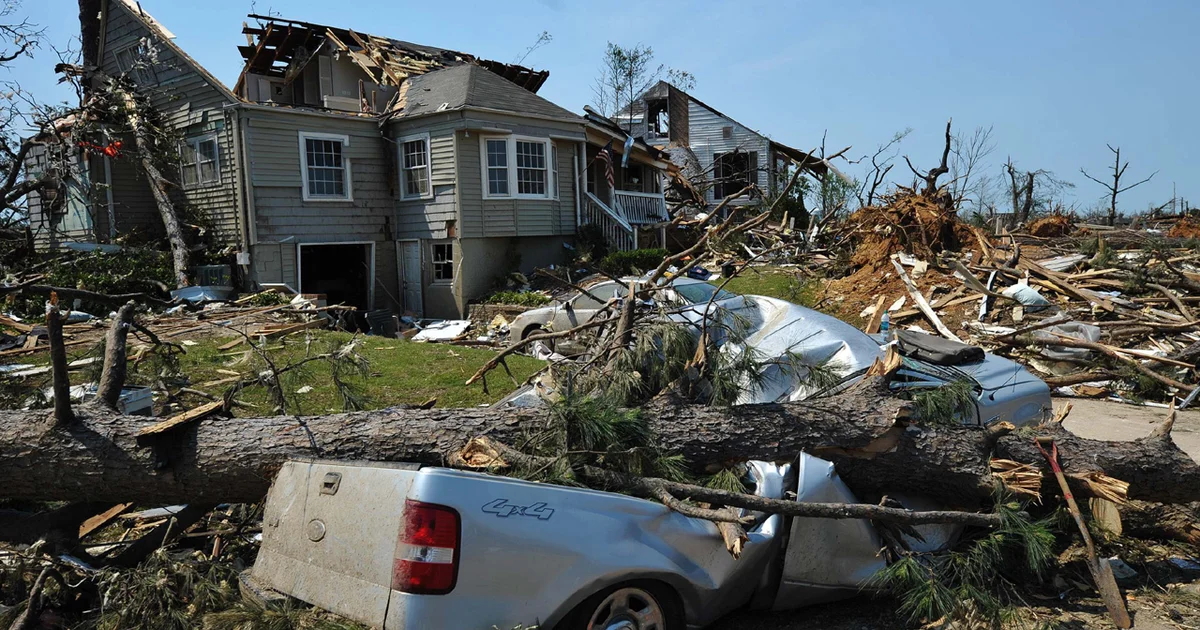
Dead branches are one of the most common causes of storm-related property damage. Strong winds can easily snap weakened limbs, sending them onto roofs, vehicles, fences, or power lines.
Routine pruning removes hazardous branches while improving the tree’s overall structure.
Thin Overgrown Canopies
A dense canopy catches more wind during storms, placing additional stress on the trunk and major limbs. Professional thinning allows wind to pass through the tree more easily, reducing the chance of branch failure.
Proper pruning also improves sunlight exposure and airflow, contributing to healthier tree growth.
Check for Root Problems
Healthy roots are essential for keeping trees stable during heavy winds. Construction work, soil erosion, and poor drainage can weaken root systems without obvious signs above ground.
Watch for:
- Exposed roots
- Raised soil around the base
- Newly leaning trees
- Poor tree stability
A professional assessment can determine whether the tree remains safe or requires corrective action.
Remove Hazardous Trees
Not every tree can be saved. Trees that are dead, severely diseased, or structurally unstable should be removed before storm season begins.
Removing hazardous trees in advance is much safer and more affordable than emergency removal after a storm.
Protect Trees During Landscaping Projects
Heavy equipment, excavation, and trenching near mature trees can damage root systems and reduce their ability to withstand strong winds.
If you’re planning outdoor improvements, protect the tree’s root zone to preserve its long-term stability.
Monitor Trees After Every Storm
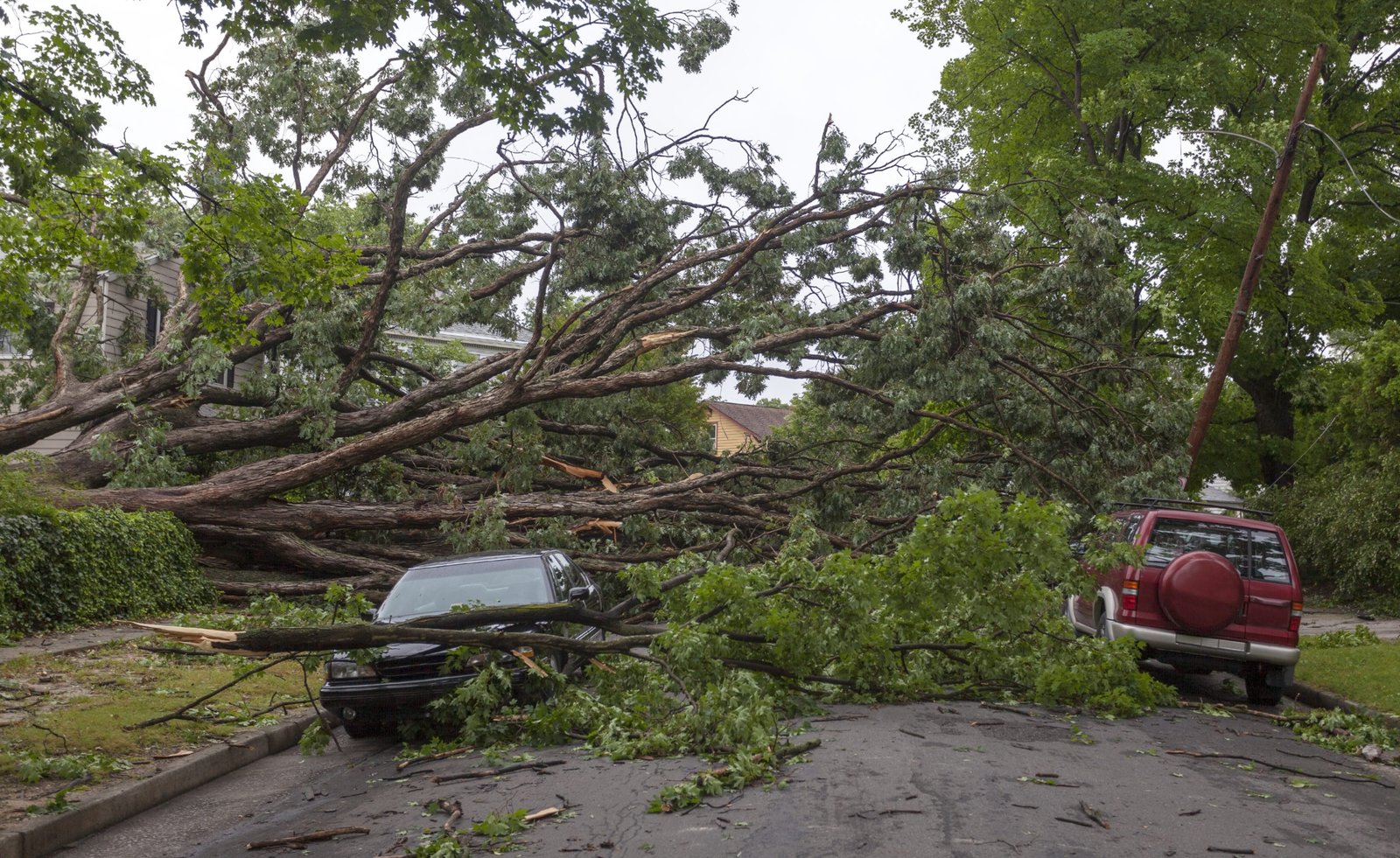
Even if your trees survive a storm, hidden damage may remain. Inspect your property after severe weather for:
- Hanging branches
- Split trunks
- Cracked limbs
- Leaning trees
- Broken tops
Prompt inspections and repairs help prevent additional damage during future storms.
Benefits of Storm Preparation
Preparing your trees before severe weather can:
- Reduce the risk of falling branches
- Protect homes and vehicles
- Improve tree health
- Lower emergency repair costs
- Extend tree lifespan
- Increase overall property safety
Preventive maintenance is always more cost-effective than dealing with storm-related emergencies.
Conclusion
Storm season can place tremendous stress on trees, but proactive maintenance significantly reduces the risk of damage. Regular inspections, proper pruning, root protection, and timely removal of hazardous trees help create a safer landscape while protecting your home and family. Preparing your trees before severe weather arrives is one of the smartest investments you can make in the long-term health and safety of your property.