24/7 emergency tree service in the Bronx & Manhattan
When a tree becomes dead, severely damaged, unstable, or unsuitable for its location, removing it may be the best option for your property. Tree removal requires careful planning, especially when a tree stands near a house, garage, fence, driveway, or neighboring structure. Understanding the tree’s condition and the space around it helps determine an appropriate removal method.
Owens Tree Service Bronx provides tree care services for residential and commercial properties in the Bronx, NY. Whether you need to remove an unwanted tree from your yard or address a damaged tree near a building, we can discuss your situation and help you understand the next steps. Contact us to explain your project and request a tree removal estimate.
Not every tree with a problem needs to be removed. However, certain conditions may indicate that removal should be considered. A tree with extensive decay, serious trunk damage, major structural cracks, or significant storm damage may require a professional assessment.
Trees can also become unsuitable for their surroundings as they grow. A tree may occupy space needed for property improvements or have structural problems that cannot be addressed through routine maintenance alone.
Before deciding to remove a tree, consider its overall condition, location, and potential impact on the surrounding property. An appropriate assessment can help determine whether complete removal, pruning, or another approach is suitable.
Dead trees can become a concern when their branches weaken or the trunk begins to deteriorate. Over time, damaged sections may break, particularly during strong winds or severe weather. The level of risk depends on the tree's condition, size, and proximity to buildings, walkways, and other frequently used areas. If a tree appears dead or has extensive dieback, avoid climbing it or removing large branches yourself. A professional assessment can help determine whether the tree can be managed through maintenance or should be removed.
A tree may be considered hazardous when its condition or position creates a potential risk to people or property. Warning signs can include a newly developed lean, large trunk cracks, major broken limbs, exposed roots, or visible structural damage.
These signs do not always mean the entire tree must be removed, but they should not be ignored. The tree's condition and surrounding environment need to be evaluated before deciding on the appropriate response. Hazardous tree removal can be particularly complex when a tree stands near a home, fence, garage, or other structure. Keep people away from trees that appear unstable and seek professional advice about the next steps.
Strong winds and severe storms can damage trees in different ways. Branches may break, trunks may split, and entire trees may fall onto lawns, driveways, buildings, or other property features.
After a storm, inspect the affected area only from a safe distance. A damaged tree may contain unstable branches or sections that can move unexpectedly. Do not attempt to cut a fallen or partially broken tree if it is under tension or near electrical lines.
The appropriate response depends on the extent of the damage and the tree's location. Owens Tree Service Bronx can discuss storm-related tree concerns and confirm available services for properties in the Bronx.
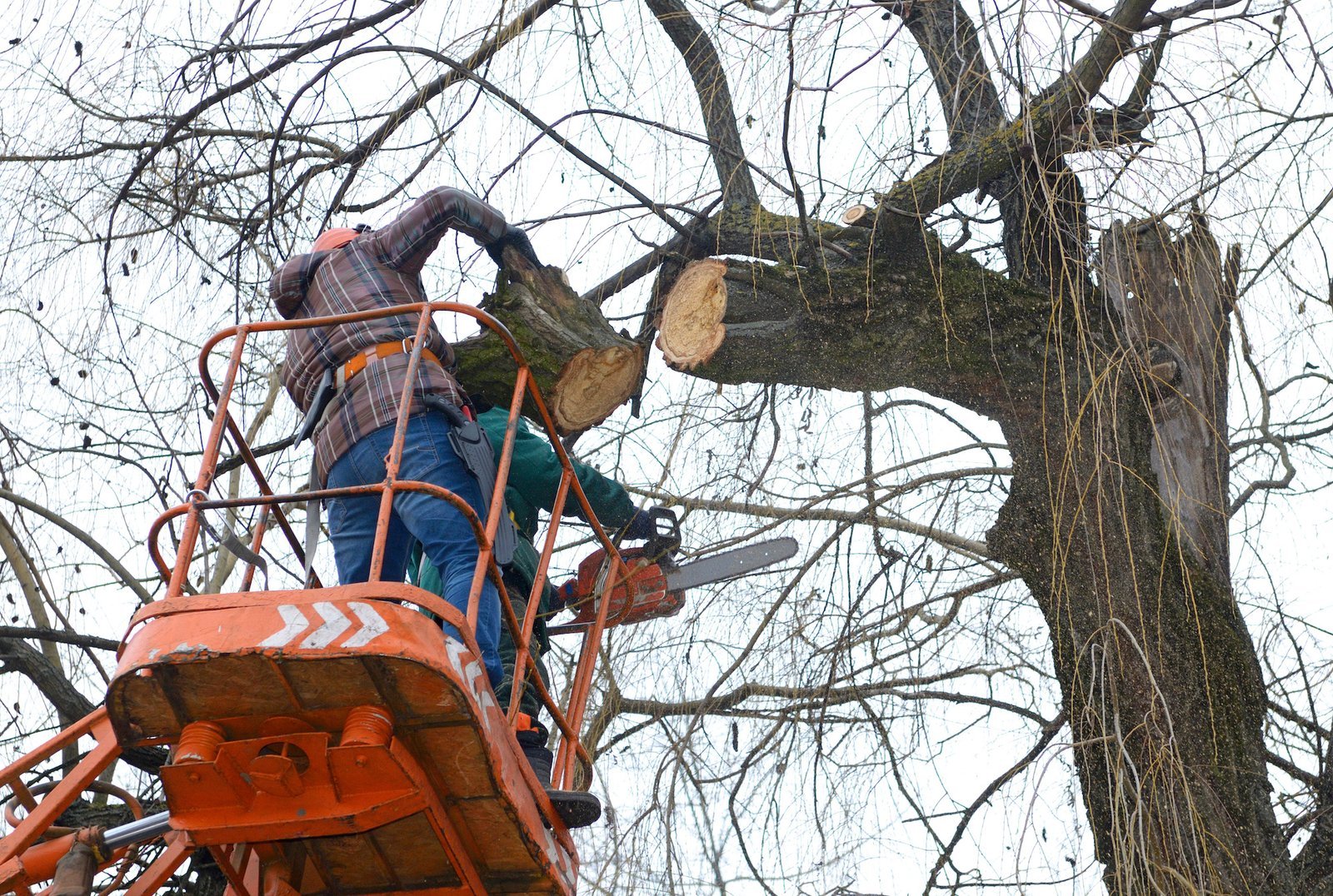
Large tree removal often requires more planning than removing a small tree. Height, trunk diameter, branch spread, tree condition, and surrounding obstacles can all affect the work involved. When a large tree is located close to a house or other structure, the removal method must account for the limited space and the position of surrounding objects. Depending on the conditions, the tree may need to be dismantled in sections rather than felled in one piece.
Before work begins, discuss access limitations, nearby buildings, and any concerns about the tree's condition. These details help establish the scope of the project and the type of equipment or approach that may be required
Homeowners may need tree removal when a tree is dead, damaged, unwanted, or no longer suitable for the yard. Trees can also interfere with planned landscaping, outdoor renovations, or changes to the property's layout. Residential removal projects often involve nearby fences, garages, patios, gardens, and neighboring properties. These features should be considered when planning the work to reduce the likelihood of avoidable damage.
The removal method depends on the tree's size, condition, and position. In some cases, restricted access may require the tree to be dismantled in smaller sections.
If you have a tree that concerns you, describe its location and condition when contacting Owens Tree Service Bronx to discuss residential tree removal.
Commercial properties may require tree removal to address damaged trees, manage unwanted growth, or prepare an area for planned improvements. Trees around office buildings, apartment complexes, parking areas, and business entrances can present different access and coordination requirements. Property managers may need to consider pedestrian routes, parked vehicles, building access, and daily business operations before arranging removal. The project scope should also clarify how branches, trunk sections, and other debris will be handled.
Every commercial site is different, so the proposed work should reflect the tree's condition and the property's layout. Contact Owens Tree Service Bronx to discuss your commercial tree removal requirements and request an estimate.
Trees growing close to structures require careful evaluation before removal. Their branches and trunks may extend over roofs, garages, fences, driveways, or neighboring property boundaries.
The available space can influence how the tree is dismantled and how cut sections are lowered or moved. Trees in narrow backyards may require a different approach from trees in open areas.
Before scheduling the work, identify nearby structures, access restrictions, and any features that need special consideration. Clear communication helps establish the project’s requirements and allows the removal method to be selected according to the site conditions.
A little preparation can help make the removal process more manageable. Before work begins, move portable furniture, garden decorations, and other items away from the planned work area where possible. Keep children and pets away from the tree and any restricted work zone. Point out nearby fences, sheds, gardens, vehicles, and other features that may affect access. If the tree is near a building or utility line, inform the service provider before work begins. Never approach or attempt to remove a tree that is touching electrical wires. It is also useful to confirm the expected work, cleanup arrangements, stump options, and pricing in advance so you know what is included.
Choosing a tree removal provider involves understanding the proposed work, the project cost, and how the surrounding property will be considered. Before hiring a company, ask about its removal approach, cleanup arrangements, and applicable insurance or professional credentials.
Owens Tree Service Bronx works with property owners who need assistance with tree-related concerns. Whether your project involves a damaged tree, a large tree near a structure, or an unwanted tree taking up yard space, explain your requirements so the appropriate options can be discussed.
Our goal is to help you understand the work involved and make an informed decision about your tree removal project in the Bronx.
If you have a dead, damaged, unstable, or unwanted tree on your property, the first step is to understand its condition and determine the appropriate course of action.
Owens Tree Service Bronx can discuss your tree removal requirements for residential and commercial properties in the Bronx. Contact the company to confirm service availability, explain your project, and request an estimate.
A tree may need removal if it is dead, severely damaged, structurally unstable, or unsuitable for its location. A professional assessment can help determine whether removal or another treatment is appropriate.
Yes, removal may be possible in a restricted backyard. The method depends on the tree’s size, condition, access limitations, and proximity to surrounding structures.
Trees near buildings require careful planning because of the limited space and the potential for property damage. The tree’s position and condition help determine the appropriate removal method.
Not necessarily. Stump grinding or complete stump removal may be a separate service. Confirm the scope and price of any stump work before the project begins.
The time required depends on the tree’s size, condition, location, and accessibility. Trees in restricted areas or near structures may require additional planning and work.