Many homeowners assume that cutting back the top of a tree is a quick way to control its size. However, tree topping is one of the most harmful practices in tree care and can lead to weak growth, disease, and long-term damage. Professional tree trimming, on the other hand, improves a tree’s health, appearance, and structural stability. Understanding the difference can help you make the right decision for your landscape.
What Is Tree Trimming?
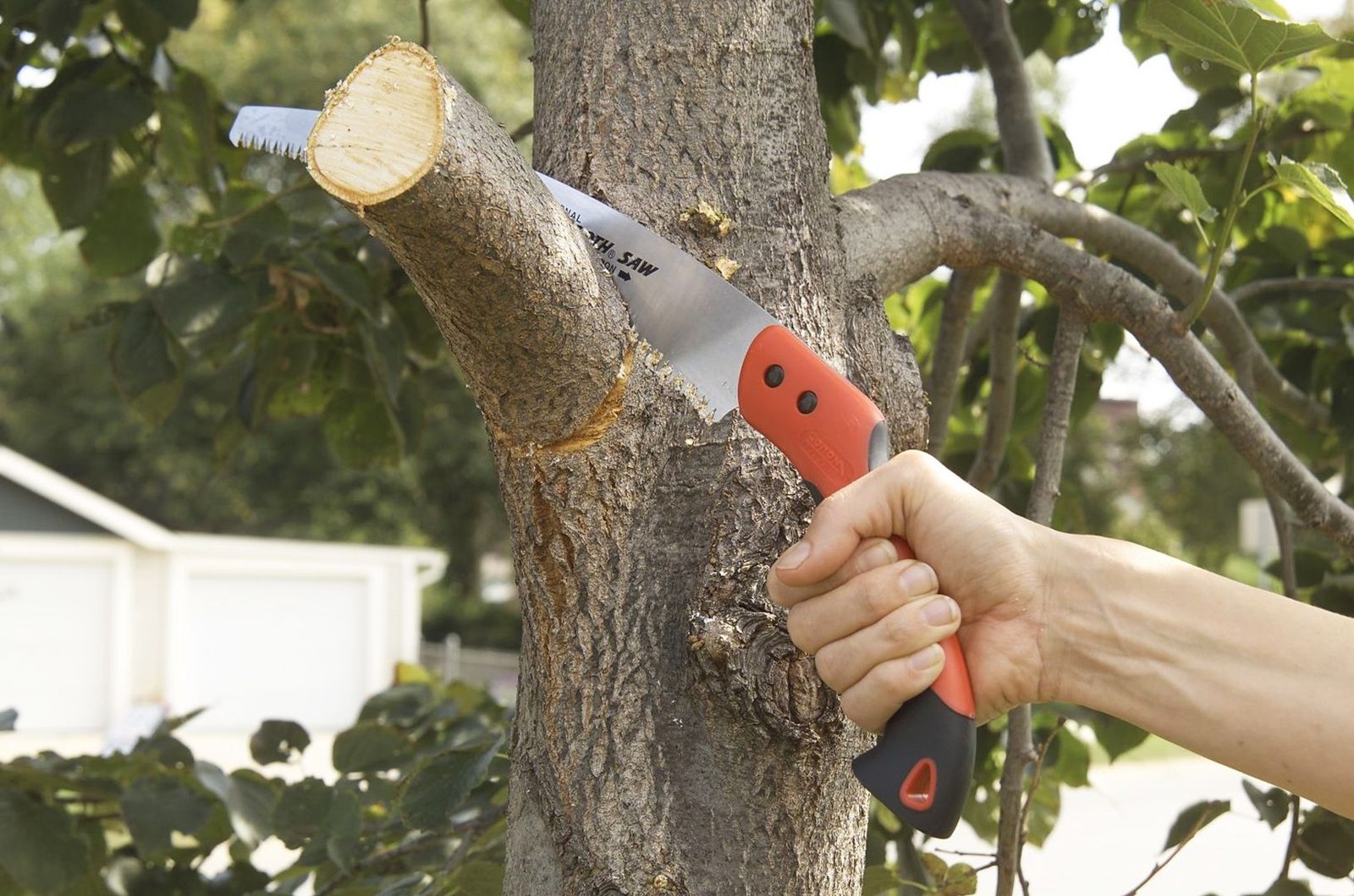
Tree trimming is the careful removal of dead, damaged, or overgrown branches to improve the tree’s overall condition. Professional trimming focuses on maintaining the tree’s natural shape while encouraging healthy growth.
Benefits of regular tree trimming include:
- Healthier branch development
- Improved airflow
- Better sunlight penetration
- Reduced risk of falling limbs
- Enhanced curb appeal
Proper trimming helps trees remain strong and attractive throughout every season.
What Is Tree Topping?
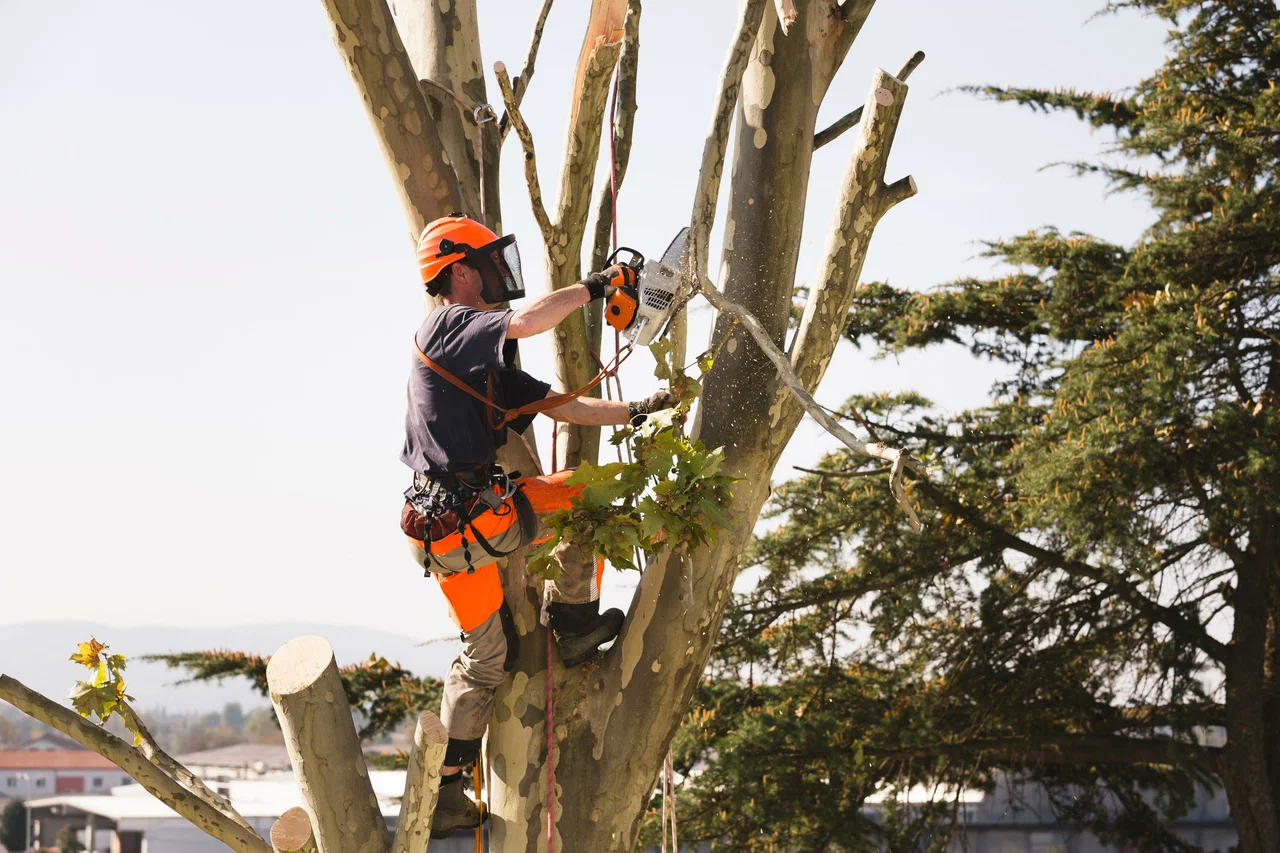
Tree topping involves cutting off large sections of the upper canopy to reduce a tree’s height. Although it may seem like a simple solution for oversized trees, topping removes a significant portion of the tree’s foliage, causing unnecessary stress.
As a result, the tree often responds by producing multiple weak shoots that are more likely to break in the future.
Why Tree Topping Is Harmful
Removing too much of a tree’s canopy can create several long-term problems, including:
- Weak branch growth
- Increased risk of disease
- Sun damage to exposed bark
- Faster decay
- Reduced lifespan
- Poor structural stability
Instead of solving a problem, topping often creates additional maintenance needs and safety concerns.
The Benefits of Professional Tree Trimming
Professional trimming preserves the tree’s natural structure while addressing safety and health concerns. Experienced tree care specialists know which branches should be removed and how to make clean cuts that promote healthy healing.
Routine trimming helps:
- Remove dead or diseased limbs
- Improve tree balance
- Reduce storm damage risks
- Prevent branches from interfering with buildings
- Encourage healthy growth
When Should Trees Be Trimmed?
The ideal time for trimming depends on the tree species and its condition. In general, trees should be inspected regularly and trimmed when:
- Dead branches are present
- Branches touch roofs or power lines
- The canopy becomes overcrowded
- Storm damage has occurred
- Branches cross or rub together
Regular maintenance prevents minor issues from becoming expensive problems.
Protect Your Property
Overgrown branches can damage roofs, gutters, windows, and utility lines during storms. Professional trimming reduces these risks while improving the safety of your property.
Maintaining proper branch clearance also protects pedestrians, vehicles, and neighboring properties.
Invest in Long-Term Tree Health
Healthy trees provide shade, increase property value, and enhance the overall appearance of your landscape. Choosing proper trimming instead of harmful topping helps preserve these benefits for many years.
Professional tree care keeps trees stronger, safer, and better prepared to withstand severe weather.
Conclusion
Tree trimming and tree topping may seem similar, but they produce very different results. While topping weakens trees and shortens their lifespan, professional trimming encourages healthy growth, improves safety, and maintains the tree’s natural beauty. By investing in proper tree care, homeowners can protect both their trees and their property while enjoying a healthier, more attractive landscape for years to come.