Why Preventive Tree Care Is Better Than Emergency Tree Removal
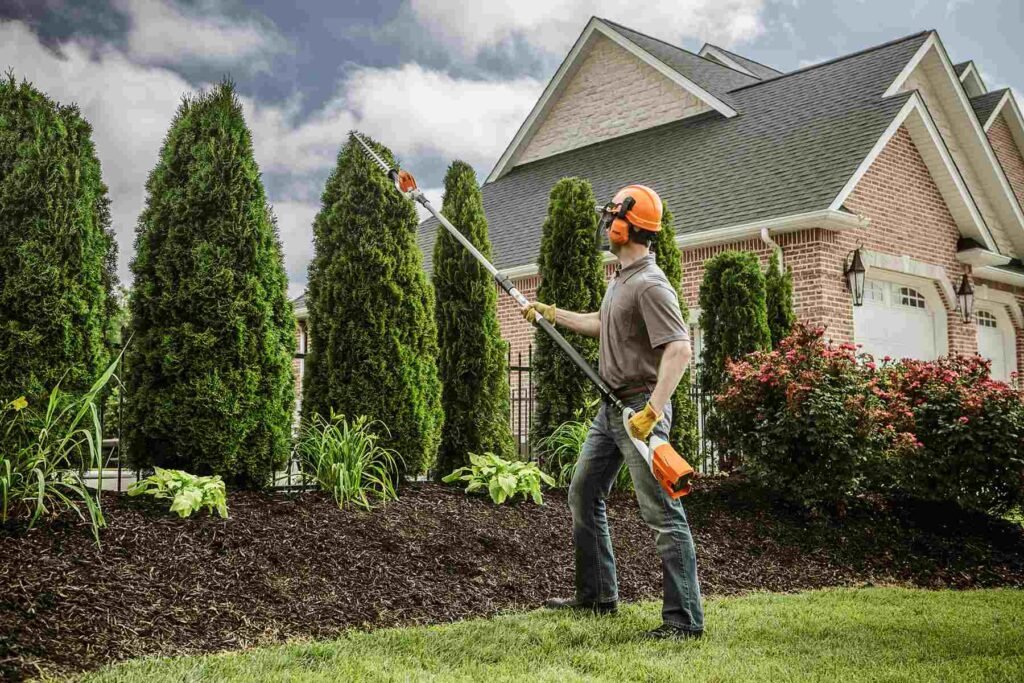
Many homeowners don’t think about tree maintenance until a storm causes a large branch to fall or a tree becomes a serious safety hazard. Unfortunately, waiting until an emergency occurs often leads to higher costs, greater property damage, and increased safety risks. Preventive tree care is a proactive approach that keeps trees healthy, reduces hazards, and helps homeowners avoid unexpected emergencies. What Is Preventive Tree Care? Preventive tree care includes regular inspections, pruning, trimming, and monitoring the overall health of your trees. Instead of reacting to problems after they occur, professional tree care focuses on identifying and correcting small issues before they become major concerns. Routine maintenance helps trees remain strong, healthy, and better prepared to withstand severe weather. Owens Brothers Tree Service has provided preventive tree care, pruning, tree removal, and emergency services throughout the Bronx and Manhattan for more than 60 years. Reduce the Risk of Storm Damage High winds, heavy rain, and snow can place enormous stress on weak trees. Dead branches, diseased limbs, and unbalanced canopies are much more likely to fail during storms. Preventive pruning removes these weak areas before severe weather arrives, reducing the chances of: Falling branches Roof damage Broken fences Damaged vehicles Blocked driveways Detect Tree Problems Early Many serious tree issues begin long before visible symptoms appear. During routine inspections, professionals can identify: Internal decay Insect infestations Root damage Structural weakness Early signs of disease Finding these problems early often allows for treatment instead of complete tree removal. Save Money on Future Repairs Emergency tree removal is usually more expensive than scheduled maintenance because it requires immediate response and often involves hazardous conditions. Routine tree care helps homeowners avoid: Emergency service costs Property repair expenses Insurance claims Unexpected cleanup costs Investing in preventive maintenance is often far more affordable than dealing with storm-related damage. Improve Tree Health Healthy trees are naturally stronger and more resistant to disease and pests. Regular pruning improves airflow throughout the canopy, removes dead wood, and allows sunlight to reach more of the tree. Healthier trees also tend to live longer and require fewer major repairs over time. Protect Your Family and Property Trees growing near homes, garages, sidewalks, or power lines should be inspected regularly. Even one weakened branch can become dangerous during strong winds. Professional maintenance reduces safety risks while keeping your outdoor spaces safe for family members, visitors, and neighbors. When Should You Schedule Tree Maintenance? It’s a good idea to have your trees inspected: Once each year After major storms Before hurricane or winter storm season If you notice dead branches If a tree begins leaning If mushrooms appear near the base Before starting construction near large trees Regular inspections allow professionals to recommend maintenance before small problems become expensive emergencies. Why Hire Professional Tree Experts? Tree care requires proper training, specialized equipment, and knowledge of tree health. Professionals understand how to prune trees correctly, recognize hidden hazards, and determine whether a tree should be preserved or removed. Proper maintenance not only improves safety but also helps protect the beauty and value of your landscape. Conclusion Emergency tree removal is sometimes unavoidable, but many hazardous situations can be prevented through regular maintenance. Routine inspections, proper pruning, and early detection of disease help keep trees healthy while reducing the risk of property damage and unexpected expenses. By investing in preventive tree care, homeowners can enjoy safer, stronger, and more beautiful trees throughout every season.
How Proper Tree Pruning Extends the Life of Your Trees
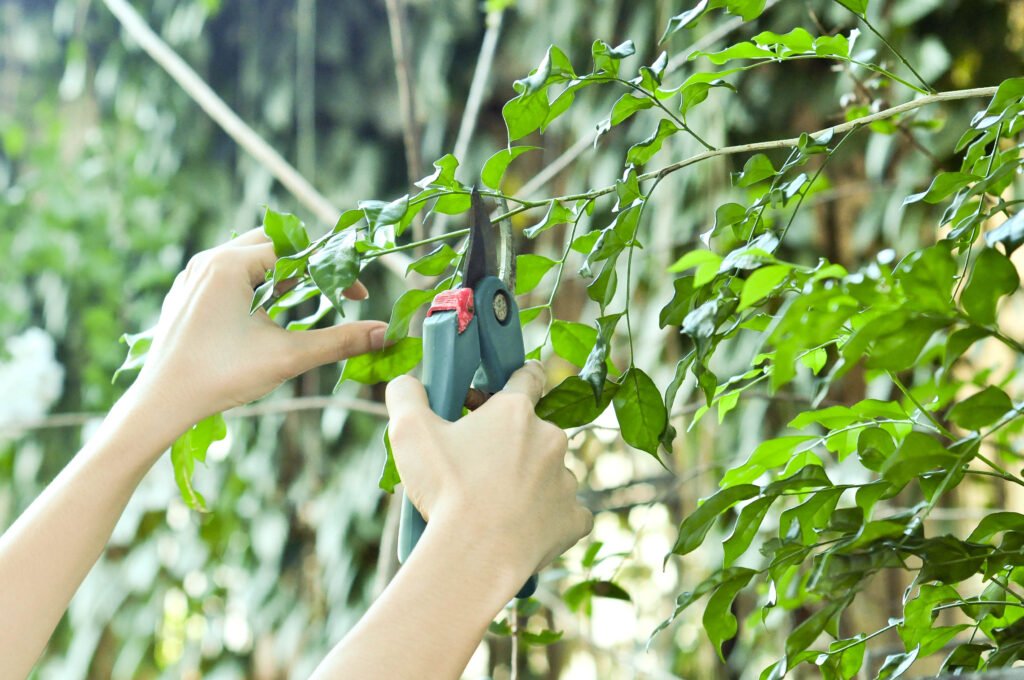
Trees are a long-term investment that enhances the beauty, value, and comfort of any property. Like any living organism, they require regular care to remain healthy. One of the most effective ways to preserve the health and longevity of your trees is through proper pruning. When performed correctly, pruning removes unhealthy growth, improves tree structure, and reduces the risk of future problems. What Is Tree Pruning? Tree pruning is the selective removal of specific branches to improve a tree’s health, safety, and appearance. Unlike excessive cutting, professional pruning is carefully planned to support the tree’s natural growth while eliminating weak or damaged limbs. Routine pruning helps trees develop a stronger structure and remain healthier throughout their lifespan. Remove Dead and Diseased Branches Dead, dying, or diseased branches not only affect a tree’s appearance but also consume valuable nutrients. These branches can spread disease to healthy areas of the tree and become dangerous during storms. Removing unhealthy limbs allows the tree to focus its energy on healthy growth while reducing the risk of falling branches. Improve Airflow and Sunlight Overgrown trees often develop dense canopies that block sunlight and restrict airflow. Poor air circulation creates ideal conditions for fungal diseases, mold, and insect infestations. Professional pruning opens the canopy, allowing: Better air circulation Increased sunlight penetration Healthier leaf growth Reduced moisture buildup These improvements contribute to stronger, more resilient trees. Encourage Strong Branch Development Weak or poorly attached branches are more likely to break during high winds or heavy snow. Strategic pruning encourages balanced growth and improves the tree’s structural integrity. Young trees especially benefit from regular pruning because it helps establish a strong framework that supports healthy growth for decades. Reduce Storm Damage Storms are one of the leading causes of tree damage in New York. Trees with heavy, overgrown branches are more likely to lose limbs or suffer structural failure during severe weather. Pruning reduces excess weight and removes weak branches before storms arrive, helping trees withstand strong winds more effectively. Protect Nearby Property Branches growing too close to homes, garages, roofs, or utility lines can create expensive problems over time. Regular pruning prevents branches from rubbing against buildings, blocking walkways, or interfering with power lines. Maintaining proper clearance also reduces the risk of property damage during storms. Detect Problems Early Professional pruning appointments often reveal hidden issues that homeowners may not notice, including: Early stages of decay Insect infestations Trunk damage Structural weaknesses Signs of disease Addressing these problems early helps avoid more extensive repairs or tree removal later. When Should Trees Be Pruned? The ideal pruning schedule depends on the tree species and its condition, but most mature trees benefit from inspections every few years. Trees should also be evaluated after severe storms or whenever signs of damage become visible. Routine maintenance helps ensure trees remain healthy year after year. Why Choose Professional Tree Pruning? Improper pruning can permanently damage a tree and shorten its lifespan. Certified tree care professionals understand the correct techniques for each tree species and know how much growth can be safely removed without causing unnecessary stress. Professional pruning ensures healthier trees, improved safety, and long-term landscape value. Conclusion Proper tree pruning is one of the best investments you can make in your landscape. By removing dead branches, improving airflow, encouraging healthy growth, and reducing storm-related risks, routine pruning helps trees remain strong and beautiful for many years. With regular professional maintenance, homeowners can protect their property while extending the life of one of their most valuable natural assets.
Why Tree Removal Should Never Be Delayed
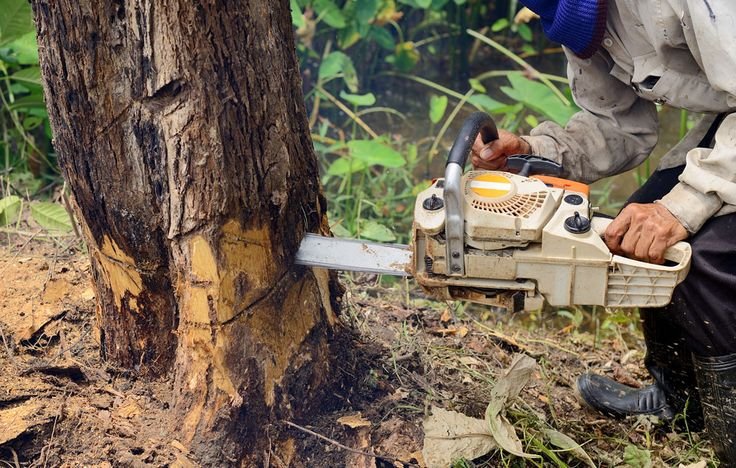
A tree that appears stable today can quickly become a serious safety hazard if underlying problems are ignored. While many trees can be preserved with proper care, delaying the removal of a dead, diseased, or structurally unstable tree can put your home, family, and neighboring properties at risk. Knowing when to act can help prevent accidents and avoid expensive emergency repairs. Dead Trees Become More Dangerous Over Time Once a tree dies, its wood gradually weakens as it begins to decay. Branches become brittle, the trunk loses strength, and the entire tree becomes less stable. Even moderate winds can cause large limbs to fall unexpectedly. Removing a dead tree before it deteriorates further is much safer than waiting until it becomes an emergency. Storms Can Turn Small Problems into Major Hazards A tree with hidden damage may survive for months without obvious signs of failure. However, heavy rain, strong winds, or snow can quickly expose structural weaknesses. Storms often cause: Large branches to snap Trunks to split Trees to uproot Leaning trees to collapse Addressing tree problems before severe weather arrives significantly reduces these risks. Diseased Trees Can Affect Nearby Trees Many tree diseases spread through roots, insects, or airborne spores. Leaving an infected tree untreated can threaten the health of surrounding trees and shrubs. If treatment is no longer effective, removing the affected tree helps protect the rest of your landscape. Prevent Expensive Property Damage A falling tree can damage much more than your yard. Large branches or entire trees may strike: Homes Garages Vehicles Fences Decks Utility lines The cost of repairing this damage is often much higher than scheduling tree removal before the tree fails. Protect Your Family and Visitors Trees growing near walkways, patios, playgrounds, or driveways should be inspected regularly. Weak branches can fall without warning, creating serious safety hazards for anyone nearby. Removing dangerous trees helps create a safer outdoor environment for everyone. Signs a Tree Should Be Removed You should schedule a professional inspection if you notice: A tree leaning suddenly Large dead branches Deep cracks in the trunk Mushrooms growing around the base Hollow sections inside the trunk Extensive insect damage Roots lifting from the ground No leaves during the growing season These warning signs often indicate that a tree has become structurally unsafe. Professional Removal Protects Your Property Tree removal requires careful planning, especially in neighborhoods where homes, fences, and utility lines are close together. Professional tree care specialists use specialized equipment and proven techniques to remove hazardous trees safely while minimizing the risk of damage to surrounding property. They also provide complete cleanup, leaving your landscape neat and ready for future improvements. Benefits of Timely Tree Removal Improves property safety Prevents storm-related damage Protects nearby healthy trees Reduces liability risks Enhances curb appeal Creates more usable outdoor space Prevents costly emergency repairs Conclusion Delaying the removal of a hazardous tree can lead to unnecessary risks and expensive consequences. Trees showing signs of severe decay, disease, or structural instability should be evaluated as soon as possible. Taking action early helps protect your home, family, and landscape while ensuring your property remains safe, attractive, and well-maintained throughout the year.
How to Prepare Your Trees for Hurricane and Storm Season
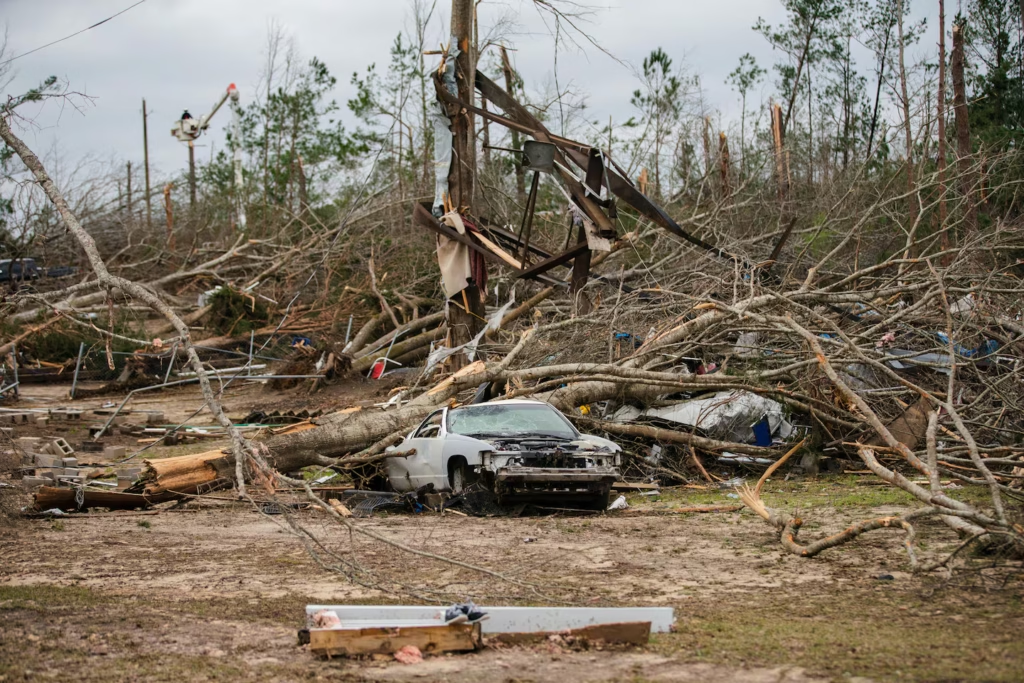
Storms are one of the biggest threats to trees in New York. High winds, heavy rain, and saturated soil can weaken even healthy trees, increasing the risk of broken branches, uprooted trees, and costly property damage. Fortunately, taking preventive measures before storm season begins can greatly reduce these risks. Proper tree maintenance helps protect your home while keeping your landscape healthy year-round. Schedule a Professional Tree Inspection The best way to prepare for storm season is with a professional tree inspection. Experienced tree care specialists can identify hidden structural problems that may not be visible to homeowners. During an inspection, professionals check for: Dead or weak branches Cracks in the trunk Signs of disease Root damage Leaning trees Structural instability Early detection allows problems to be corrected before severe weather arrives. Remove Dead and Weak Branches Dead branches are one of the most common causes of storm-related property damage. Strong winds can easily snap weakened limbs, sending them onto roofs, vehicles, fences, or power lines. Routine pruning removes hazardous branches while improving the tree’s overall structure. Thin Overgrown Canopies A dense canopy catches more wind during storms, placing additional stress on the trunk and major limbs. Professional thinning allows wind to pass through the tree more easily, reducing the chance of branch failure. Proper pruning also improves sunlight exposure and airflow, contributing to healthier tree growth. Check for Root Problems Healthy roots are essential for keeping trees stable during heavy winds. Construction work, soil erosion, and poor drainage can weaken root systems without obvious signs above ground. Watch for: Exposed roots Raised soil around the base Newly leaning trees Poor tree stability A professional assessment can determine whether the tree remains safe or requires corrective action. Remove Hazardous Trees Not every tree can be saved. Trees that are dead, severely diseased, or structurally unstable should be removed before storm season begins. Removing hazardous trees in advance is much safer and more affordable than emergency removal after a storm. Protect Trees During Landscaping Projects Heavy equipment, excavation, and trenching near mature trees can damage root systems and reduce their ability to withstand strong winds. If you’re planning outdoor improvements, protect the tree’s root zone to preserve its long-term stability. Monitor Trees After Every Storm Even if your trees survive a storm, hidden damage may remain. Inspect your property after severe weather for: Hanging branches Split trunks Cracked limbs Leaning trees Broken tops Prompt inspections and repairs help prevent additional damage during future storms. Benefits of Storm Preparation Preparing your trees before severe weather can: Reduce the risk of falling branches Protect homes and vehicles Improve tree health Lower emergency repair costs Extend tree lifespan Increase overall property safety Preventive maintenance is always more cost-effective than dealing with storm-related emergencies. Conclusion Storm season can place tremendous stress on trees, but proactive maintenance significantly reduces the risk of damage. Regular inspections, proper pruning, root protection, and timely removal of hazardous trees help create a safer landscape while protecting your home and family. Preparing your trees before severe weather arrives is one of the smartest investments you can make in the long-term health and safety of your property.
Tree Trimming vs Tree Topping: Why Proper Pruning Matters
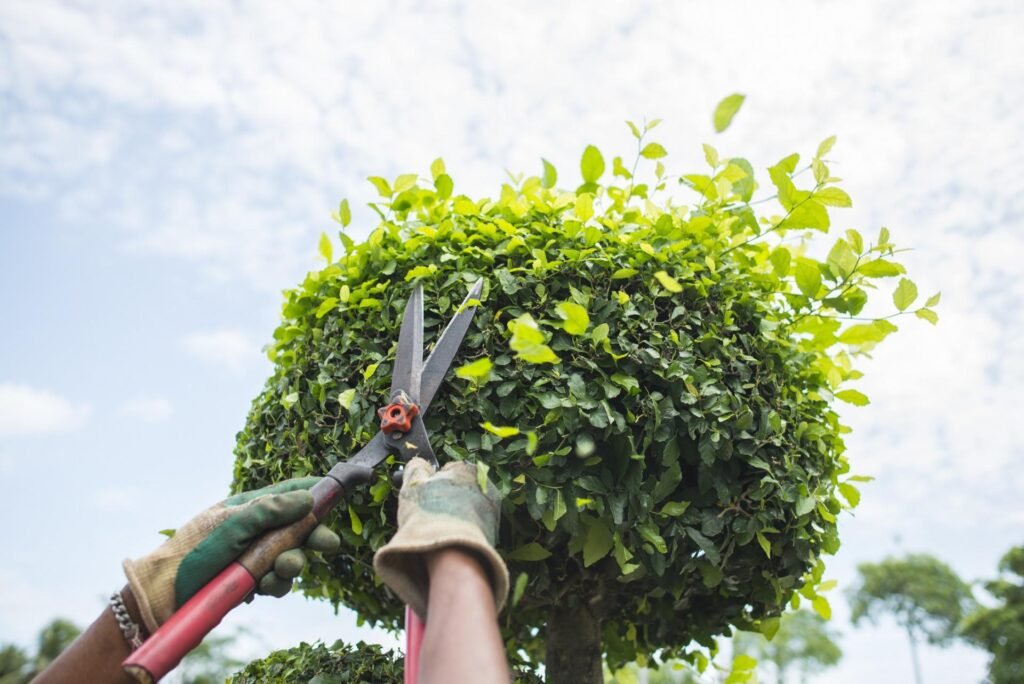
Many homeowners assume that cutting back the top of a tree is a quick way to control its size. However, tree topping is one of the most harmful practices in tree care and can lead to weak growth, disease, and long-term damage. Professional tree trimming, on the other hand, improves a tree’s health, appearance, and structural stability. Understanding the difference can help you make the right decision for your landscape. What Is Tree Trimming? Tree trimming is the careful removal of dead, damaged, or overgrown branches to improve the tree’s overall condition. Professional trimming focuses on maintaining the tree’s natural shape while encouraging healthy growth. Benefits of regular tree trimming include: Healthier branch development Improved airflow Better sunlight penetration Reduced risk of falling limbs Enhanced curb appeal Proper trimming helps trees remain strong and attractive throughout every season. What Is Tree Topping? Tree topping involves cutting off large sections of the upper canopy to reduce a tree’s height. Although it may seem like a simple solution for oversized trees, topping removes a significant portion of the tree’s foliage, causing unnecessary stress. As a result, the tree often responds by producing multiple weak shoots that are more likely to break in the future. Why Tree Topping Is Harmful Removing too much of a tree’s canopy can create several long-term problems, including: Weak branch growth Increased risk of disease Sun damage to exposed bark Faster decay Reduced lifespan Poor structural stability Instead of solving a problem, topping often creates additional maintenance needs and safety concerns. The Benefits of Professional Tree Trimming Professional trimming preserves the tree’s natural structure while addressing safety and health concerns. Experienced tree care specialists know which branches should be removed and how to make clean cuts that promote healthy healing. Routine trimming helps: Remove dead or diseased limbs Improve tree balance Reduce storm damage risks Prevent branches from interfering with buildings Encourage healthy growth When Should Trees Be Trimmed? The ideal time for trimming depends on the tree species and its condition. In general, trees should be inspected regularly and trimmed when: Dead branches are present Branches touch roofs or power lines The canopy becomes overcrowded Storm damage has occurred Branches cross or rub together Regular maintenance prevents minor issues from becoming expensive problems. Protect Your Property Overgrown branches can damage roofs, gutters, windows, and utility lines during storms. Professional trimming reduces these risks while improving the safety of your property. Maintaining proper branch clearance also protects pedestrians, vehicles, and neighboring properties. Invest in Long-Term Tree Health Healthy trees provide shade, increase property value, and enhance the overall appearance of your landscape. Choosing proper trimming instead of harmful topping helps preserve these benefits for many years. Professional tree care keeps trees stronger, safer, and better prepared to withstand severe weather. Conclusion Tree trimming and tree topping may seem similar, but they produce very different results. While topping weakens trees and shortens their lifespan, professional trimming encourages healthy growth, improves safety, and maintains the tree’s natural beauty. By investing in proper tree care, homeowners can protect both their trees and their property while enjoying a healthier, more attractive landscape for years to come.