
Trees are a long-term investment that enhances the beauty, value, and comfort of any property. Like any living organism, they require regular care to remain healthy. One of the most effective ways to preserve the health and longevity of your trees is through proper pruning. When performed correctly, pruning removes unhealthy growth, improves tree structure, and reduces the risk of future problems.
What Is Tree Pruning?
Tree pruning is the selective removal of specific branches to improve a tree’s health, safety, and appearance. Unlike excessive cutting, professional pruning is carefully planned to support the tree’s natural growth while eliminating weak or damaged limbs.
Routine pruning helps trees develop a stronger structure and remain healthier throughout their lifespan.
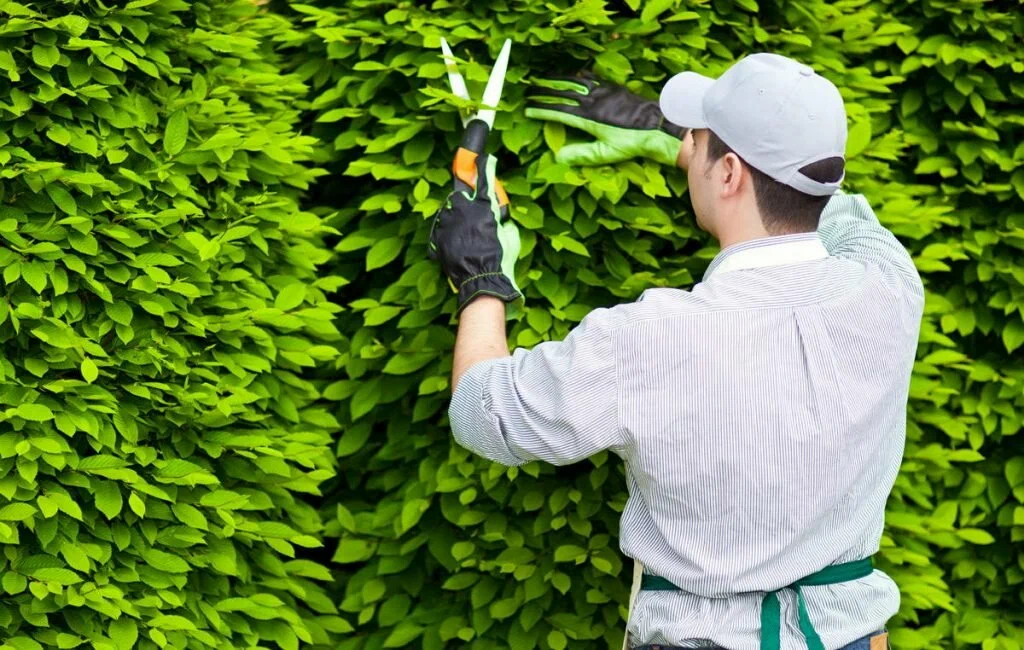
Remove Dead and Diseased Branches
Dead, dying, or diseased branches not only affect a tree’s appearance but also consume valuable nutrients. These branches can spread disease to healthy areas of the tree and become dangerous during storms.
Removing unhealthy limbs allows the tree to focus its energy on healthy growth while reducing the risk of falling branches.
Improve Airflow and Sunlight
Overgrown trees often develop dense canopies that block sunlight and restrict airflow. Poor air circulation creates ideal conditions for fungal diseases, mold, and insect infestations.
Professional pruning opens the canopy, allowing:
- Better air circulation
- Increased sunlight penetration
- Healthier leaf growth
- Reduced moisture buildup
These improvements contribute to stronger, more resilient trees.
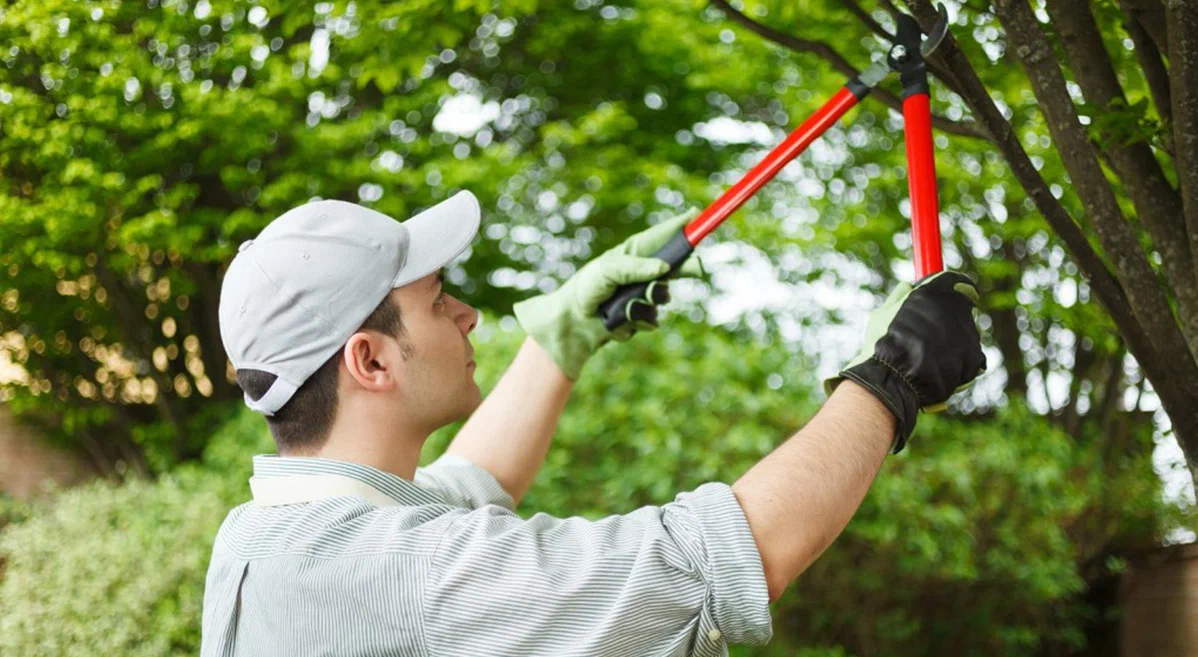
Encourage Strong Branch Development
Weak or poorly attached branches are more likely to break during high winds or heavy snow. Strategic pruning encourages balanced growth and improves the tree’s structural integrity.
Young trees especially benefit from regular pruning because it helps establish a strong framework that supports healthy growth for decades.
Reduce Storm Damage
Storms are one of the leading causes of tree damage in New York. Trees with heavy, overgrown branches are more likely to lose limbs or suffer structural failure during severe weather.
Pruning reduces excess weight and removes weak branches before storms arrive, helping trees withstand strong winds more effectively.
Protect Nearby Property
Branches growing too close to homes, garages, roofs, or utility lines can create expensive problems over time. Regular pruning prevents branches from rubbing against buildings, blocking walkways, or interfering with power lines.
Maintaining proper clearance also reduces the risk of property damage during storms.
Detect Problems Early
Professional pruning appointments often reveal hidden issues that homeowners may not notice, including:
- Early stages of decay
- Insect infestations
- Trunk damage
- Structural weaknesses
- Signs of disease
Addressing these problems early helps avoid more extensive repairs or tree removal later.
When Should Trees Be Pruned?
The ideal pruning schedule depends on the tree species and its condition, but most mature trees benefit from inspections every few years. Trees should also be evaluated after severe storms or whenever signs of damage become visible.
Routine maintenance helps ensure trees remain healthy year after year.
Why Choose Professional Tree Pruning?
Improper pruning can permanently damage a tree and shorten its lifespan. Certified tree care professionals understand the correct techniques for each tree species and know how much growth can be safely removed without causing unnecessary stress.
Professional pruning ensures healthier trees, improved safety, and long-term landscape value.
Conclusion
Proper tree pruning is one of the best investments you can make in your landscape. By removing dead branches, improving airflow, encouraging healthy growth, and reducing storm-related risks, routine pruning helps trees remain strong and beautiful for many years. With regular professional maintenance, homeowners can protect their property while extending the life of one of their most valuable natural assets.